
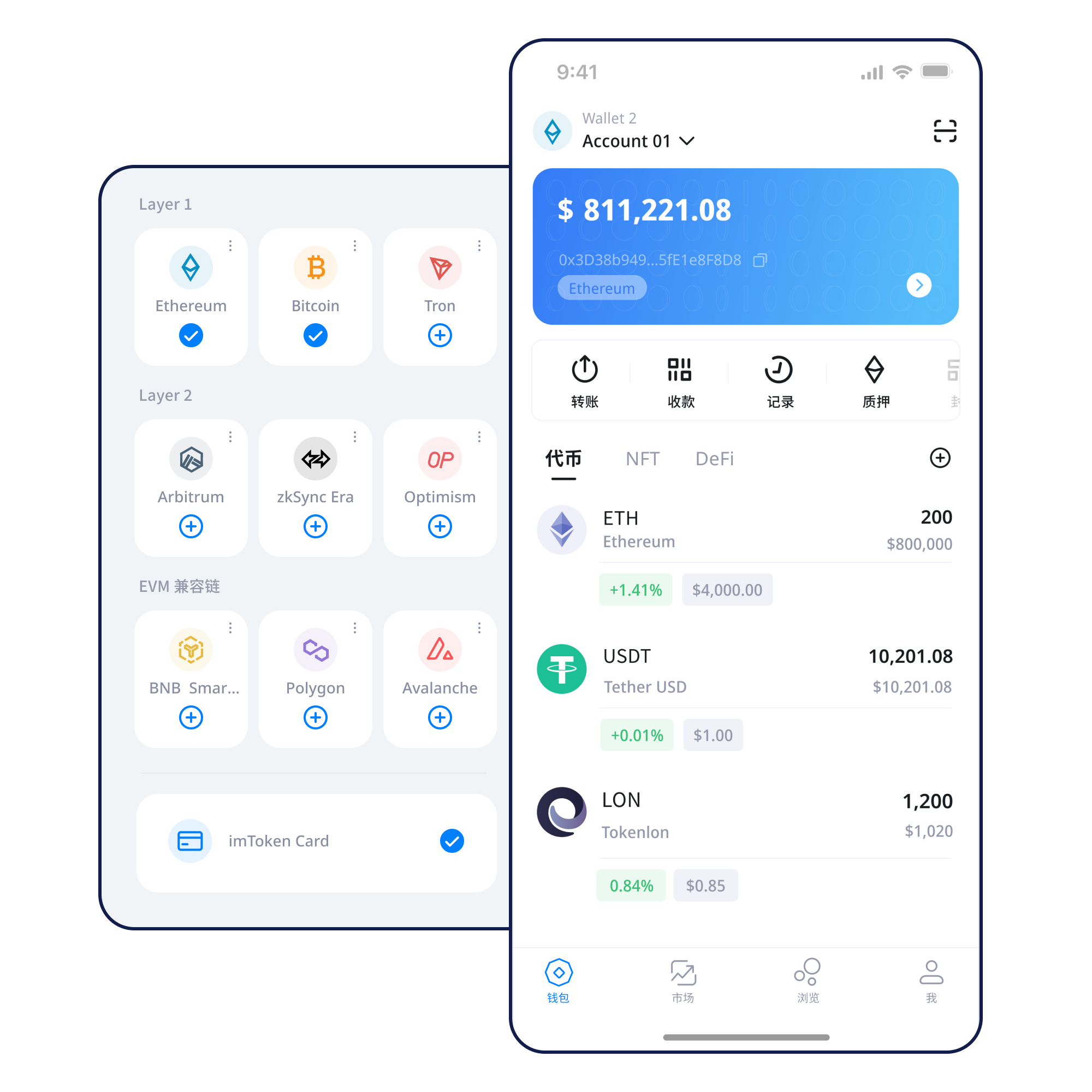
Mobile Asset Management
A practical approach to mobile asset management
Within a real imtoken App workflow, “Mobile Asset Management” is a decision point where interface familiarity should not replace independent verification. This topic should be understood in the context of how to manage assets and networks on a mobile device while accounting for application source, device state, transaction history and DApp sessions, with the object, network and evidence source verified before the next action.
On this page, the broader goal is to manage assets and networks on a mobile device while accounting for application source, device state, transaction history and DApp sessions. “Mobile Asset Management” therefore needs to connect the concept to its surrounding steps, the information that can be verified publicly, and the information that must remain under the user’s control. Use public, verifiable information first and compare the wallet view with on-chain records. Secret credentials, unexplained signatures and expanded permissions are not suitable areas for trial-and-error clicking.
If a critical detail cannot be independently confirmed, stopping to gather more information is usually safer than repeatedly submitting the same action. In imtoken App, apply this principle together with the checks described under Mobile Asset Management.
Device Environment Safety
A practical approach to device environment safety
Start “Device Environment Safety” with three questions: what object is involved, which network or environment applies, and what state or permission can change? Wallet security depends on the device as well as the blockchain. Public computers, unnecessary browser extensions, remote-control software, clipboard substitution and unpatched systems can change what a user sees or submits.
On this page, the broader goal is to manage assets and networks on a mobile device while accounting for application source, device state, transaction history and DApp sessions. “Device Environment Safety” therefore needs to connect the concept to its surrounding steps, the information that can be verified publicly, and the information that must remain under the user’s control. Before a sensitive action, confirm that the device is under your control, review installed extensions and re-check any pasted address. Avoid handling seed phrases, private keys, important signatures or significant transfers on public or remotely controlled devices.
If a critical detail cannot be independently confirmed, stopping to gather more information is usually safer than repeatedly submitting the same action. In imtoken App, apply this principle together with the checks described under Device Environment Safety.
- Confirm the current network, intended target and purpose
- Never enter or send a seed phrase, private key or verification code
- Verify the result with an independent record after submission
Networks and Token Display
A practical approach to networks and token display
A useful way to understand “Networks and Token Display” is to ask which decision it changes during imtoken App and which evidence can verify the result. EVM compatibility gives networks a similar execution, address and smart-contract model, but each network still has its own chain identifier, gas asset, block state and deployed contracts. A familiar address format is not a substitute for selecting the correct chain.
On this page, the broader goal is to manage assets and networks on a mobile device while accounting for application source, device state, transaction history and DApp sessions. “Networks and Token Display” therefore needs to connect the concept to its surrounding steps, the information that can be verified publicly, and the information that must remain under the user’s control. For contract interactions, verify the network, contract address, method and token. Write operations also require attention to gas and state changes; approvals require an additional check of the spender and allowance.
If a critical detail cannot be independently confirmed, stopping to gather more information is usually safer than repeatedly submitting the same action. In imtoken App, apply this principle together with the checks described under Networks and Token Display.
Transfer Workflow
A practical approach to transfer workflow
A useful way to understand “Transfer Workflow” is to ask which decision it changes during imtoken App and which evidence can verify the result. Receiving and sending require the address, network and asset to agree. A correct-looking address on the wrong chain can still create an unusable result for the destination service; sending also requires review of the amount, gas asset and supported network.
On this page, the broader goal is to manage assets and networks on a mobile device while accounting for application source, device state, transaction history and DApp sessions. “Transfer Workflow” therefore needs to connect the concept to its surrounding steps, the information that can be verified publicly, and the information that must remain under the user’s control. Use a deliberate pre-submit checklist and, where appropriate to your own risk judgment, validate the route with a smaller transfer. Save the transaction hash after submission because blockchain transactions are generally not reversible by the wallet alone.
The objective is not maximum speed; it is being able to explain the action, understand its effect and verify the outcome afterward. In imtoken App, apply this principle together with the checks described under Transfer Workflow.
- Confirm the current network, intended target and purpose
- Never enter or send a seed phrase, private key or verification code
- Verify the result with an independent record after submission
DApp Use
A practical approach to dapp use
The practical value of “DApp Use” becomes clearer when it is placed inside the full imtoken App workflow rather than treated as an isolated definition. A DApp connection usually begins with account visibility and session access; message signatures, transactions and token approvals are separate actions that require fresh decisions. A connected wallet does not make every later request trustworthy.
On this page, the broader goal is to manage assets and networks on a mobile device while accounting for application source, device state, transaction history and DApp sessions. “DApp Use” therefore needs to connect the concept to its surrounding steps, the information that can be verified publicly, and the information that must remain under the user’s control. Verify the domain from a trusted source, confirm the selected network and read each request independently. After finishing, disconnect sessions you no longer need and review any lasting approvals instead of assuming that closing the browser removed on-chain permissions.
The goal is to separate verifiable evidence from interface wording so familiar buttons do not become a substitute for review. In imtoken App, apply this principle together with the checks described under DApp Use.